
Written by Dr. Tom Jenkins, Research Associate, Department of Psychology at University of Bath
Background
Self-dehumanisation is when a person feels less or other than human, and can be an isolating and deeply distressing aspect of psychosis. People with experience of psychosis have shared they can often feel this way due to experiences of voices, trauma, stigma, and discrimination.
We were interested in whether self-dehumanisation could be a treatment target for psychological therapy for psychosis. However, when searching for a way to measure self-dehumanisation, we found that existing measures had any little to no input from people with lived experience, nor reflected the uniquely dehumanising nature of psychosis.
Aims
We set out to work with people with lived experience of psychosis to co-develop and validate the first measure of self-dehumanisation in psychosis: the self-Dehumanisation in Psychosis Scale (DiPS).
Methods
We began by generating potential scale items through focus groups with people with experience of psychosis; previous interview transcripts; existing theories and measures; and discussions within our research team. We presented these items to people with experience of psychosis, mental health professionals, dehumanisation researchers, and carers of people with psychosis (N=49) in a Delphi study to refine the items. Next, we conducted a series of cognitive interviews (N=9) with people with lived experience to ensure each item made sense and was interpreted as intended. Finally, we tested the scale with a large sample of people with experience of psychosis (N=456) to examine its reliability and validity.
Results
The self-Dehumanisation in Psychosis Scale (DiPS) is reliable and valid measure of self-dehumanisation which contains items that are clear and meaningful to people with experience of psychosis. It contains 13 items grouped into four factors:
- Humanity – the sense of belonging with other humans
- Identity – the sense of self
- Personhood – self awareness, acceptance, and worth
- Agency – feelings of control over experience
Self-dehumanisation was strongly associated with higher rates of voice-hearing, paranoia, internalised stigma, and lower self-compassion – indicating that people with more severe symptoms of psychosis felt more dehumanised.
Implications
The DiPS is shown to be an accurate measure for feelings of dehumanisation in psychosis. Lived experience input throughout was a real strength of the study, and ensured that items were clear, meaningful, and relevant to people with experience of psychosis. The DiPS can be used in future research; for example, to explore causes, consequences, and modifiers of self-dehumanisation. It can also be used in clinical practice to open up conversations about feelings of dehumanisation, or to measure change in therapy. Group-based mindfulness and self-compassion therapies for psychosis hold promise as potentially humanising interventions, and should be explored in future research. Efforts to combat harmful narratives about psychosis, and discrimination against people with psychosis, should also be prioritised.
Ultimately, we hope this work provides a means to recognise and communicate feelings of dehumanisation in the context of psychosis, and can help to support those who feel this way.
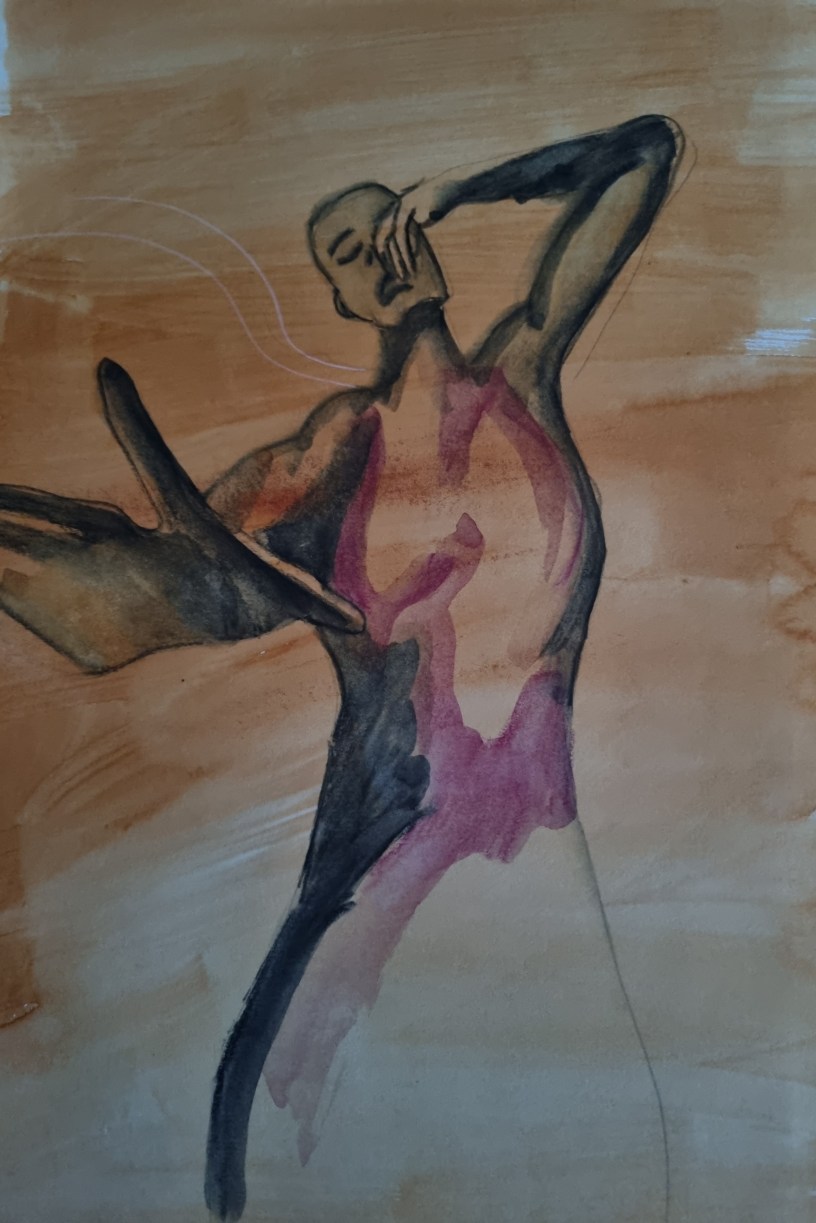
With thanks to Eva Roberts for sharing artwork for this blog.
Reference
Tom A Jenkins, Pamela Jacobsen, Paul Chadwick, Measuring feelings of dehumanization in people who experience psychosis: development and validation of the self-Dehumanization in Psychosis Scale (DiPS), Schizophrenia Bulletin, Volume 52, Issue 2, March 2026, sbaf242, https://doi.org/10.1093/schbul/sbaf242
 Early Career Hallucinations Research Group